Is there a best season for photos in Austria?
There is no single best month — each season gives you something different, and the right choice depends on what you want to see in the pictures. Blossom and fresh green in spring, lakes and long evenings in summer, golden vineyards and larches in autumn, snow and festive lights in winter.
What matters more than the month is the combination of place and time of day. A summer session in Hallstatt at noon is a struggle; the same place at sunrise is magical. Below is how each season plays out across Austria, followed by the hours that work best and what to know about the mountains.
Spring: blossom in the Wachau and fresh green everywhere
Spring arrives first in the east. In the Wachau, the Danube valley between Melk and Krems, the apricot trees blossom in spring — usually somewhere between late March and April, depending on the weather that year. The white blossom against terraced vineyards and old wine villages makes a beautiful, short-lived backdrop, so stay flexible with dates.
In Vienna, parks and palace gardens turn green, and the rose garden in the Volksgarten follows in early summer. In the Alps, spring is a transition: the valleys are green while the peaks still carry snow, which can look stunning, but many cable cars and high roads pause between the winter and summer seasons. Check before you plan a mountain location in April or May.
Summer: lakes, long evenings and very early starts
Summer is lake season. The Salzkammergut, Zell am See and the Carinthian lakes are at their most inviting, mountain meadows are in flower and the evenings are long. It is also the busiest time of year at the famous sights, and the midday sun is harsh.
The answer is to start early. Around midsummer the sun rises before half past five, and the hours after sunrise are cool, calm and almost empty — the best time for Hallstatt, Mirabell Gardens or Schönbrunn. Evenings are the second window; in mountain valleys, remember that the sun drops behind the ridges well before the official sunset. In the Alps, summer afternoons often bring thunderstorms, so mornings are safer for high locations.
Autumn: colour, clear air and calmer crowds
For many photographers, autumn is the favourite. From September the summer crowds thin out, the air is often clearer, and the light stays low and warm for much of the day. In the Wachau and around Vienna, the grape harvest takes place in September and October, and the vineyards gradually turn yellow and red.
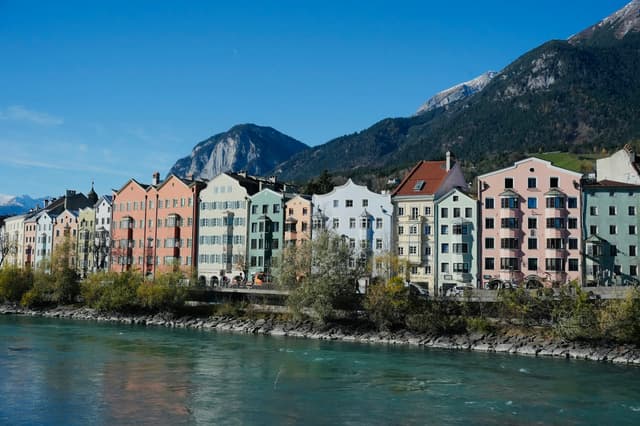
In the mountains, the larches turn golden in October, and valleys like those around Innsbruck can be wrapped in morning mist while the peaks are in sunshine. Autumn weather in Austria can be stable for days, but it gets cold quickly in the evenings, and some cable cars close for maintenance between the summer and winter seasons.
- September: still warm, harvest begins, lakes are quieter.
- October: golden larches, vineyard colour, frequent morning mist.
- November: grey days are common, but the Advent season begins in the second half of the month.
Winter: snow, Advent markets and short days
Winter photos in Austria come in two flavours. In the cities, it is the Advent season — Christmas markets, lights and cosy coffee houses, usually from mid-November until around Christmas. In the mountains, it is snow, frosted trees and that crisp blue sky after a cold night.
Snow is reliable at altitude but never guaranteed in Vienna, Salzburg or the lower valleys, so if a white backdrop matters, plan for the Alps — Innsbruck’s Nordkette is a quick way up from the city. Days are short: in December the sun sets around four in the afternoon in the east of the country. That makes blue hour easy to reach and perfect with lights, but it means starting an afternoon session early. Warm layers, gloves and a thermos make all the difference.
Golden hour and blue hour: the best time of day
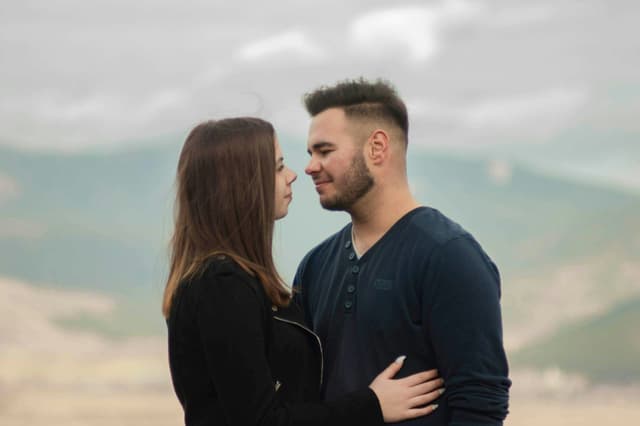
Golden hour — roughly the first hour after sunrise and the last before sunset — gives warm, soft, flattering light and long shadows. It is the default recommendation for couples, families and weddings outdoors. Morning golden hour has the added benefit of empty streets.
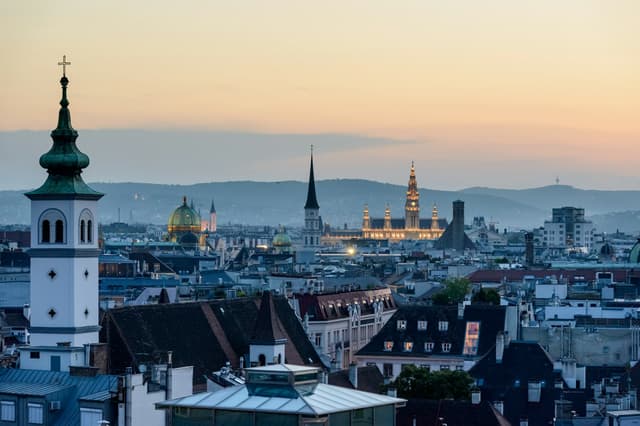
Blue hour follows sunset (or comes just before sunrise): the sky turns deep blue and city lights come on. In Vienna and Salzburg it is wonderful for lit facades, Karlskirche or the old town reflected in the Salzach. Midday is the hardest light, but shaded courtyards, arcades and forests can still work well, and an overcast sky is actually ideal for family portraits.
Alpine weather: how to plan around it
In the mountains, conditions can change within an hour. Fog may sit in the valley while the summit is sunny, or the other way round, and summer storms build up quickly in the afternoon. Always check the forecast and cable car operating times close to the date, and agree a valley alternative with your photographer.
For weddings and destination sessions, a flexible date or a backup day is worth a lot. A local photographer reads these patterns every week and will tell you honestly whether to move the time, the place or the day. If you are choosing when to come, send us a request with your rough dates and wishes, and we will help you find a photographer for the season.