Start with the setting, not the outfit
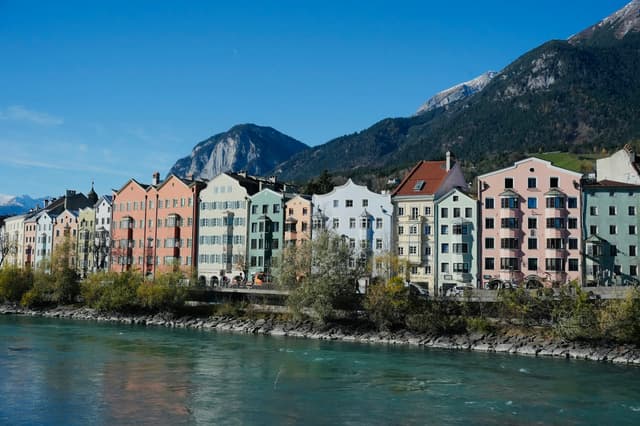
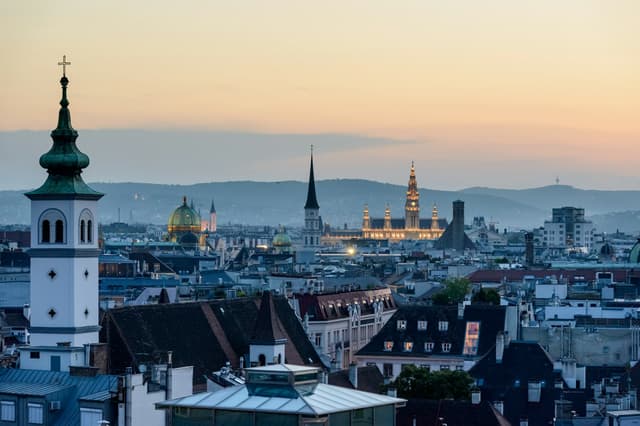
The same outfit looks completely different against baroque façades, a granite summit or a glassy lake. Before choosing clothes, ask your photographer where you will be shooting and what the light will be like. Then dress as if you belong there, just a little more polished than usual.
A good rule: wear something you would happily wear to a nice dinner in that place. If you feel comfortable and like yourself, it shows in every frame. Outfits that need constant adjusting — slipping straps, stiff new shoes, a jacket that does not close — pull your attention away from each other.
Try everything on a few days before, including shoes, and move in it: sit down, walk a few steps, hug. Check how fabrics look in daylight, because some colours shift outdoors. Iron or steam what needs it, and bring a lint roller — dark wool picks up everything.
City shoots in Vienna and Salzburg
Imperial architecture, coffee houses and old-town lanes suit timeless, slightly elegant clothes: a midi dress or tailored trousers, a good coat, a knit, clean leather shoes. Muted tones like camel, navy, olive, cream and burgundy sit beautifully against pale stone and ochre façades.
Think about cobblestones. Stiletto heels are risky on the old-town paving in Salzburg and in Vienna’s first district; block heels, loafers, ankle boots or elegant flats are far easier. You will often walk between locations, so comfort is not optional.
In winter, a long wool coat in a warm neutral is the single most useful piece for city photos. It frames the face, works with almost anything underneath and looks good against both snow and grey skies.
Mountain shoots around Innsbruck and in Tyrol
At altitude, the weather can change within an hour and it is usually cooler than in the valley. Layers are your friend: a thin base, a knit or flannel, and a jacket in a colour that works with the rest. Avoid neon outdoor gear unless you want it to be the focus of the pictures.
Footwear matters more than anywhere else. Wear proper hiking shoes or boots for the walk and bring nicer shoes in a bag if your outfit needs them. Your photographer will know whether a spot is a short stroll from the cable car or a real hike.
- Earthy tones: rust, forest green, mustard, cream, denim
- Textures like wool, linen and knit add depth on camera
- A hat or scarf helps on windy ridges and looks natural
- Bring sunscreen and sunglasses for breaks, then take them off for photos
Lakes like Hallstatt in summer
Lakeside shoots love movement: a flowing dress, a linen shirt, rolled sleeves. Soft blues, whites, sage and dusty pink pick up the colours of the water and sky. Early mornings, when popular spots like Hallstatt are still quiet, can be fresh even in July, so bring a light layer.
Paths along the shore are often gravel or wooden piers. Sandals with grip or simple trainers work well, and you can take them off for a barefoot moment on a jetty if it is safe.
Colours and patterns that photograph well
Solid colours and gentle textures almost always look better than busy prints. Small, tight patterns can flicker on camera, and large logos or slogans draw the eye away from faces. Very bright white and pure black can lose detail in strong sun; off-white, ivory, charcoal and navy are more forgiving.
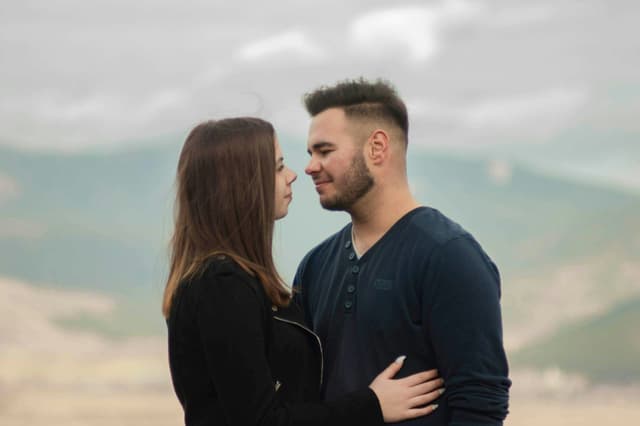
For couples, aim for outfits that complement rather than match. Pick a palette of two or three tones and let each person wear them in different ways. One partner in a patterned dress and the other in a plain shirt that picks up one of its colours is a classic combination that never looks staged.
Dressing by season
Spring and autumn are ideal for layering: coats, scarves and knits look great and keep you warm during a long session. Summer calls for breathable fabrics and planning around midday heat. Winter shoots, from snowy villages to Christmas markets, need a warm coat that you are happy to be photographed in, plus gloves and a hat in matching tones.
Whatever the season, bring a second outfit if your session is longer. Changing halfway — from a city look to something more relaxed for a park or the countryside — gives you more variety in the final gallery.
Wearing Tracht: Dirndl and Lederhosen
Traditional dress can be a beautiful choice, especially in Salzburg, the Salzkammergut or Tyrol, where it is still worn for celebrations. If you want to wear a Dirndl or Lederhosen, choose a well-made piece rather than a costume, and wear it the way locals do — with care, not as fancy dress.
Specialist shops can advise on fit and how to wear details like the apron bow and blouse. It is entirely optional: you do not need Tracht to look at home in Austria, and many of the most natural photos are taken in clothes you wear every day.
Families: coordinating without matching
Identical outfits for the whole family tend to look dated. Instead, choose a palette and let everyone wear different pieces from it. Start with the outfit that is hardest to change — often a patterned dress — and build the others around its colours.
Children should be able to run, sit on the ground and climb a little. Pack spare clothes, snacks and a favourite toy, and keep the session at their pace. Tell us where and when you would like to shoot, and we will match you with a photographer who can also advise on outfits for the location.