Is an alpine elopement legally a wedding?
In Austria, only the civil ceremony at a registry office (Standesamt) creates a legally valid marriage. Vows exchanged on a summit or beside a mountain lake are deeply meaningful, but on their own they are symbolic. That is good news for planning: the mountain part of your day can be as personal and unconventional as you like.
There are three common routes. You can marry at an Austrian registry office in the morning and head into the mountains afterwards. You can sign the papers at home, before or after the trip, and treat the Alps as the real celebration. Or you can marry at a registry office that offers ceremonies at special locations, which some alpine towns do. Documents depend on nationality, so ask the registry office and your embassy early if you want the legal part in Austria.
Cable car or hike-in: choosing your place
The first question is not which view you want, but how you and your guests — if any — will get there in wedding clothes. Austria is generous here: many high viewpoints are reachable by cable car, and a short walk from the top station can already feel remote.
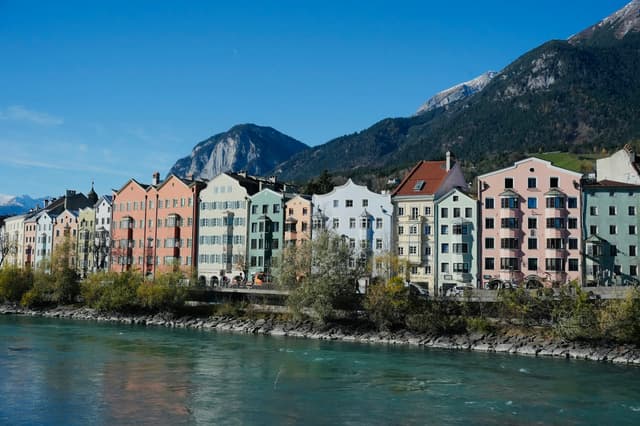
Cable car accessible spots suit couples with family along, long dresses, or limited time. Around Innsbruck, high terraces open up a few minutes from the city; in the Zillertal and around Zell am See, lifts reach glacier views and alpine meadows. Seefeld offers gentle plateau scenery that is easy to walk.
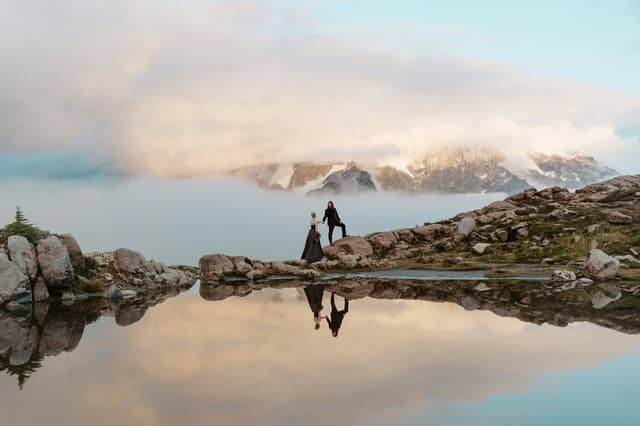
Hike-in locations give you solitude and a sense of having earned the view, but need fitness, proper shoes and a realistic plan for carrying an outfit, flowers and a picnic. Many couples hike in practical clothes and change near the spot. Your photographer can suggest places that match your stamina rather than a postcard.
- Check lift operating seasons: many cable cars close for maintenance in spring and late autumn
- Note last descent times so the portrait session does not end in a rush
- Ask whether a location sits in a protected area with its own rules
- For lakes like Hallstatt, plan very early mornings to avoid crowds
Which season is best for eloping in the Alps?
Summer, roughly late June to early September, offers the easiest access: lifts run, huts are open and high trails are usually free of snow. Afternoon thunderstorms are common in the mountains, so morning and evening sessions are often the safer choice.
September and early October bring golden larches, clear air and fewer people, though some huts and lifts start closing. Winter elopements are magical in snow-covered villages and at ski-area viewpoints, but daylight is short, temperatures low and some places only reachable on skis. Spring is the trickiest season, with snow higher up and mud below.
What if the weather turns?
Mountain weather changes fast, and a good plan accepts that from the start. Pick a main location and a lower, sheltered backup — a forest path, a chapel, a lakeside boathouse or a hut with a big window. Agree with your photographer on a time the night before or that morning when you will decide.
If your schedule allows, keep a reserve day. Many elopement couples plan two or three days in one region precisely for this reason. Fog, light rain and dramatic clouds can also make some of the most atmospheric pictures, as long as everyone is dressed for it.
What to wear and pack for vows in the mountains
Choose an outfit you can move in. Lighter fabrics and shorter trains handle wind, rocks and wet grass far better than heavy layers, and a tailored jacket or knit in a matching tone keeps you warm without hiding the dress or suit. At altitude it can feel cool even on a hot July day in the valley.
Comfortable shoes matter more than they will show in the pictures. Many couples wear hiking boots or clean trainers for the walk and switch to finer shoes only for the vows. Pack a small bag with water, snacks, sunscreen, a hairbrush, safety pins and a towel to stand on while changing.
A sample elopement day
Every day looks different, but a relaxed alpine elopement often follows a shape like this:
- Getting ready at your hotel or chalet, with details and quiet moments documented
- Optional civil ceremony at the registry office
- Travel by car and cable car, or the start of a hike
- A first look and your vows at the chosen spot
- Portraits as the light softens, with time to simply enjoy the place
- A picnic, a hut dinner or a small celebration with whoever came along
What your photographer and videographer do
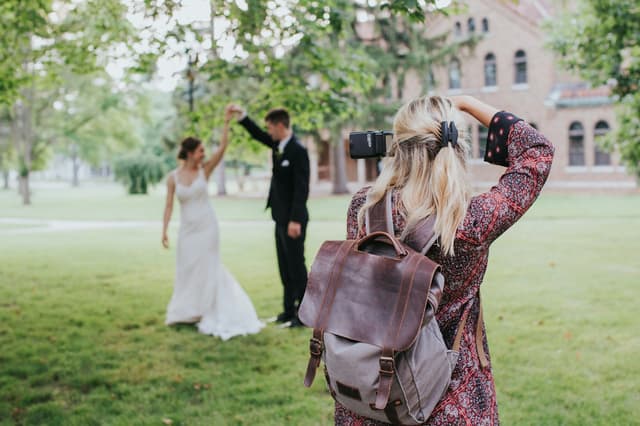
At an elopement, your photographer is part guide, part witness. They help with timings and light, scout routes, and know which spots are reachable and which only look easy online. On the day, they document the whole story: the nerves while getting ready, the walk up, the vows, and the quieter moments afterwards.
A videographer captures your voices and the sweep of the landscape. If you want aerial shots, make sure the filmmaker knows the drone rules: drone flights in Austria are regulated, operators must comply with requirements from Austro Control, and protected areas or nearby lifts may restrict flying. Ask how they handle this before booking.
Respecting the mountains, huts and other visitors
Alpine meadows are often working pastures, and huts are run by people with a busy day of their own. Ask before using a hut terrace for vows or photos, buy something there, and keep decorations simple. Avoid confetti, sky lanterns and anything that stays behind.
Stay on paths, leave gates as you found them and give grazing cows plenty of room. Popular viewpoints belong to everyone, so timing your vows for early morning or evening is kinder to other hikers and better for the light. Tell us where you dream of saying your vows, and we will connect you with local photographers who know how to get you there.