Can foreigners legally get married in Austria?
Yes. You do not need to live in Austria or hold Austrian citizenship to marry here. What makes the marriage legal is the civil ceremony, conducted by a registrar at a Standesamt. A church wedding, a blessing in a mountain chapel or a free ceremony by the lake can be part of the day, but on its own it does not create a legally recognised marriage in Austria.
That distinction shapes the whole plan. Most foreign couples either hold the civil ceremony in Austria and add a celebration around it, or marry legally at home and travel to Austria for a symbolic ceremony and photos. Both work well; the second route is simpler on paper, the first gives you a wedding certificate from the place you fell for.
Which documents will you need?
There is no single list that fits everyone, because requirements depend on your nationality, your current residence and your marital history. Registry offices typically want to establish who you are, where you were born and that nothing stands in the way of the marriage. Documents that come up again and again include:
- A valid passport or national ID card
- A birth certificate, often in an international or recently issued version
- A certificate of no impediment (sometimes called a certificate of capacity to marry), if your country issues one
- Proof of residence in some cases
- If you were married before: proof that the previous marriage ended, such as a divorce decree or death certificate
- An apostille or other legalisation, and certified German translations, where the registry office asks for them
How to get the paperwork right without stress
Start by contacting the registry office in the town where you want to marry, not a general website. Ask for their exact list for your nationalities, in which form documents must be presented, whether translations need to be done by a court-certified translator, and how far in advance the documents may be issued. Then check with your own embassy or home authority how long it takes to obtain each item — a certificate of no impediment or an apostille can take weeks.
Ask the registrar, too, whether you will need an interpreter if one of you does not speak German well, and which ceremony rooms or outside venues the office can offer. Keep copies of every email: rules are applied by the individual office, and having their written answer avoids surprises close to the date.
Choosing where to marry
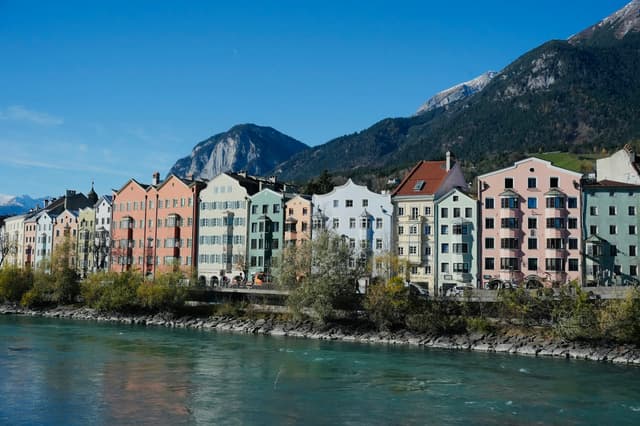
Vienna suits couples who want palaces, grand staircases and coffee-house glamour, with the reception a short drive away. Salzburg offers baroque interiors, an old town that photographs beautifully in the early morning, and lakes and mountains within an hour. In the Salzkammergut, Hallstatt and Mondsee are classics for lakeside portraits, though both are busy in summer and need careful timing.
Before falling for a location, ask three practical questions: can the registrar come there, or is it only suitable for a symbolic ceremony? Is there a plan for rain? And how long does it take to move between ceremony, portraits and dinner? Those answers matter more on the day than any view.
Season changes the picture, too. May, June and September bring long, soft evenings without the peak-summer crowds; July and August are reliable for weather in the valleys but busy in every famous spot. Winter weddings in Vienna or Salzburg feel intimate and festive, with early darkness that suits candlelit receptions more than long outdoor portrait sessions.
A realistic planning timeline
Many couples fix the date and the registry office first, because everything else depends on it. Once the Standesamt has confirmed, book the venue and then the people whose calendars fill fastest — photographers and videographers for summer Saturdays are often committed well in advance.
A rough order that works for most foreign couples:
- Choose the region and contact the registry office about documents and dates
- Confirm the ceremony slot and the reception venue
- Book photographer, videographer and any celebrant for a symbolic ceremony
- Order certificates, apostilles and translations with enough buffer
- Plan travel, accommodation and a simple day schedule
- Share the final schedule and addresses with everyone involved
Adding a church or symbolic ceremony
If faith matters to you, a church wedding can follow the civil ceremony, often on the same day. Churches have their own preparation requirements, which are separate from the registry office, so contact the parish early and ask what they need from couples who live abroad.
A symbolic ceremony with a celebrant gives you the most freedom: an alpine meadow, a boathouse on the lake, a palace garden. Because it has no legal role, you can write it around your story, in your own language, with the people and rituals you choose — as long as the venue or landowner agrees.
How a civil wedding day usually flows
The ceremony at the registry office is short and focused: the registrar leads, you give your consent, and you sign. The atmosphere depends a lot on the room — from a modern office to a castle hall. Ask how many guests the room holds and whether photography and filming are allowed during the ceremony; many offices welcome it, some have restrictions.
Leave space around it. Getting ready, a first look, the ceremony, a toast, portraits in late afternoon light and dinner make a natural arc. If guests are flying in, a relaxed schedule without tight transfers keeps everyone, including you, present for the moments that count.
Photographer and videographer: what to book
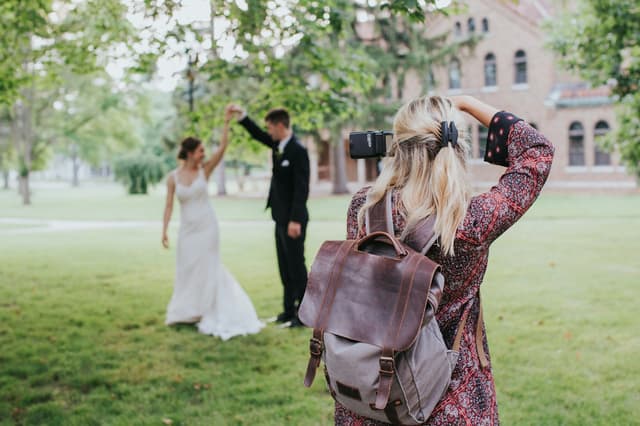
A local photographer knows where the light falls in a particular square at four in the afternoon, which spots are crowded, and where permission is required. Share your registry office, venue and rough schedule when you ask for quotes, so the coverage matches your actual day rather than a generic package.
If you want to hear your vows and speeches again, add a videographer. A short highlight film is a lovely way to share the day with family who could not travel. Photographer and videographer who have worked together before make the day calmer, because they move around each other instead of competing for the same angle.
When your date and place are clear, send us a short request and we will introduce photographers and filmmakers who are free and suit your style.